Nature Wale
Small steps toward nature
ECOSYSTEM
How we can help the environment.
Helping the environment is essential for the well-being of our planet and future generations. There are many ways individuals, communities, and governments can contribute to environmental conservation and sustainability.
Recognizing and preserving the value of nature is critical for the long-term sustainability of both the planet and human societies. Conservation and sustainable use of natural resources are crucial to maintaining the benefits that nature provides to us.



We can perform many changes in our daily lives to help nature, we can conserve energy, save water, use sustainable transportation, reduce waste, conserve natural resources, reduce air pollution, minimize plastic usage, etc.
Trees
Are
Important
For all
Of us
Trees are of invaluable importance to our environment and to human well-being. They give us clean water to drink, air to breathe, shade, and food for humans, animals, and plants.
Trees are so important for the global environment and the health of the species that live there, and they need our unconditional care and protection.
They provide habitats for numerous species of fauna and flora, firewood for cooking and heat, and materials for buildings and places of spiritual, cultural, and recreational importance.
Latest Articles
-
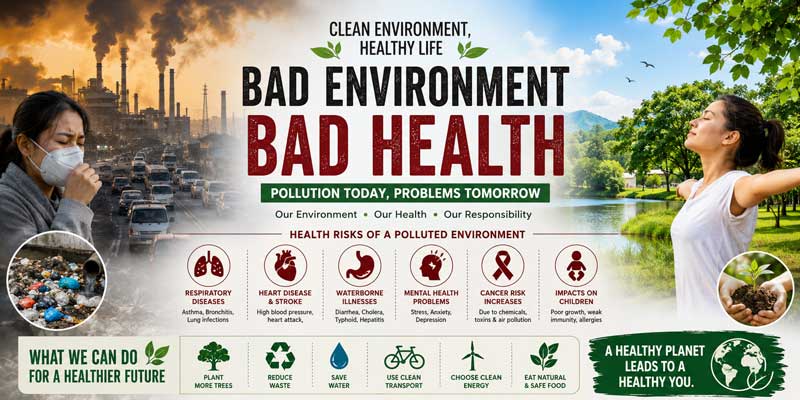
How a Polluted Environment Affects Human Health: Understanding the Hidden Threat Around Us
The environment we live in plays a crucial role in our overall health and well-being. Clean air, safe drinking water, healthy soil, and green surroundings are essential for a healthy life. However, rapid industrialization, urbanization, deforestation, plastic pollution, and climate change have severely degraded our environment. Today, millions of people around the world suffer from…
-

🍜 Sustainable Cooking Options: Preparing Food in Ways That Help the Environment
Cooking is an essential part of our daily lives, but the way we prepare food can significantly impact the environment. Traditional cooking methods often consume large amounts of fuel, electricity, and water and produce unnecessary waste. Fortunately, there are many eco-friendly cooking options that not only help protect the planet but can also save money,…
-
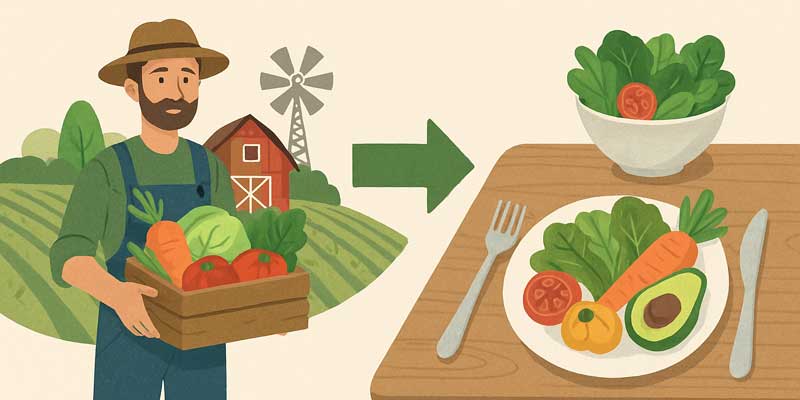
Food Sustainability: From Farm to Table – Building a Healthier Future
Food sustainability is about producing, distributing, and consuming food in ways that protect the environment, support farmers, and promote human health—today and for future generations. One of the most effective approaches to food sustainability is the farm-to-table movement, which emphasizes locally grown, seasonal, and responsibly produced food. In a world facing climate change, soil degradation,…
-
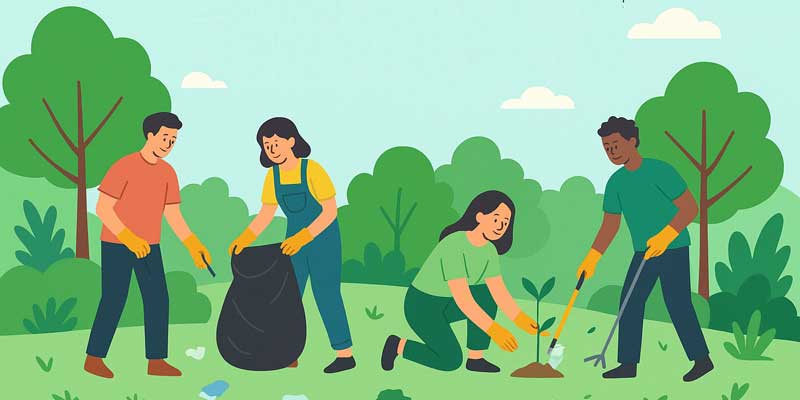
Cleanliness and How to Organize a Local Clean-Up Drive in Your Community
Cleanliness is not just about keeping our surroundings tidy—it’s about promoting health, respect for nature, and responsibility toward our planet. A clean environment fosters better living conditions, improves mental well-being, and strengthens community pride. However, maintaining cleanliness requires collective effort, and one of the most effective ways to make an impact is by organizing a…
-

Urban Green Spaces: Why Cities Need More Greenery for a Sustainable Future
In the midst of growing concrete jungles, urban green spaces — parks, gardens, green roofs, and urban forests — have become the lungs of our cities. They are not just places for relaxation but essential ecosystems that sustain life, improve health, and mitigate the effects of climate change. As urbanization expands rapidly, creating and maintaining…
Before
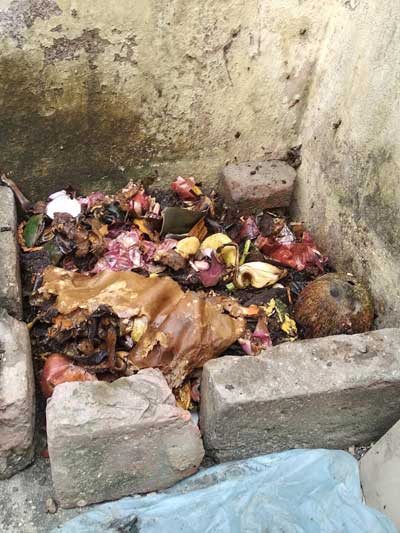
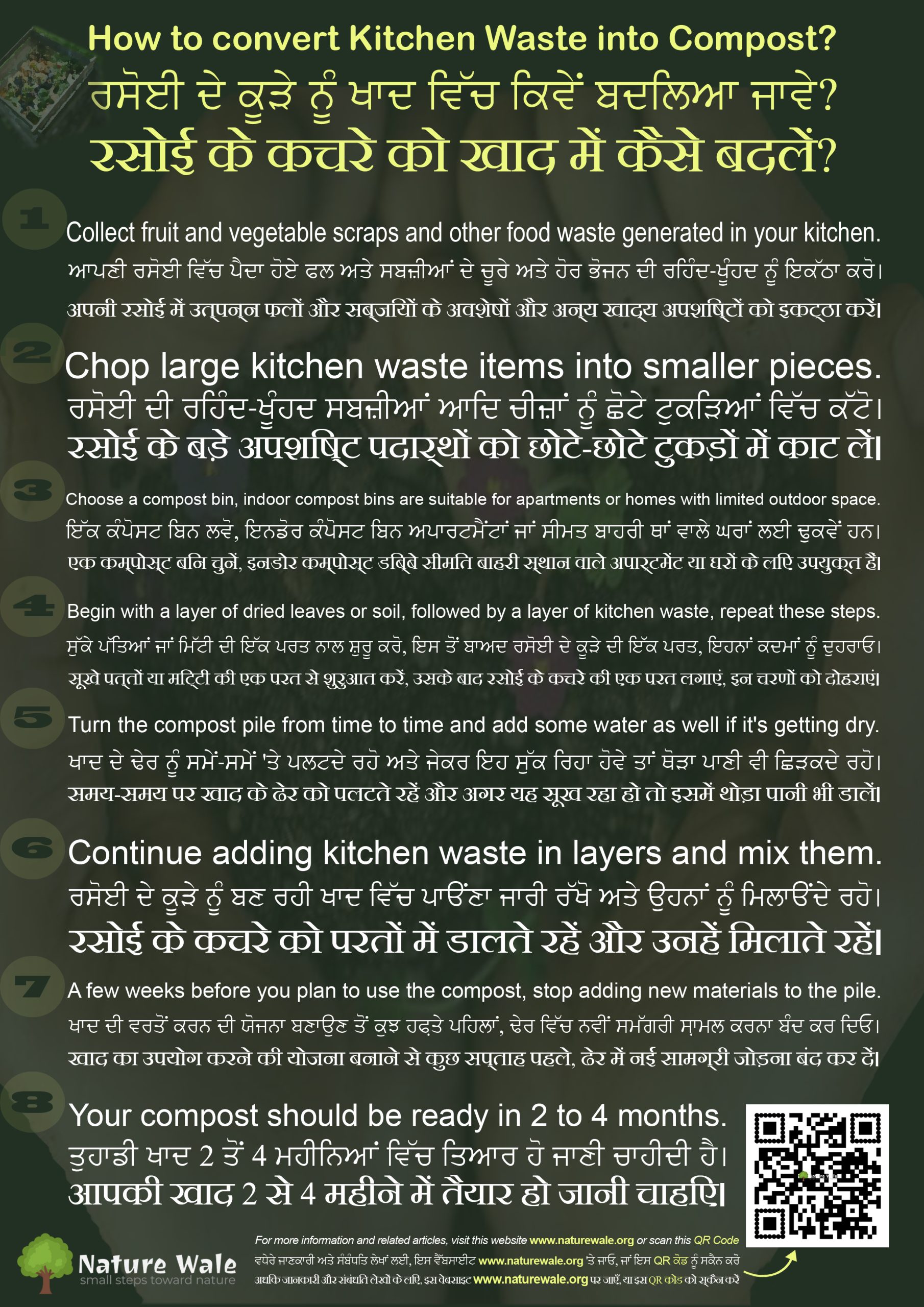
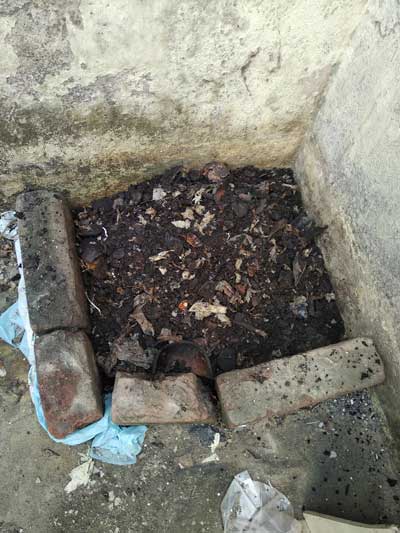
How to Convert Kitchen Waste into Compost
- Collect fruit and vegetable scraps and other food waste generated in your kitchen.
- Chop large kitchen waste items into smaller pieces.
- Choose a compost bin, indoor compost bins are suitable for apartments or homes with limited outdoor space.
- Begin with a layer of dried leaves or soil, followed by a layer of kitchen waste, repeat these steps.
- Turn the compost pile from time to time and add some water as well if it’s getting dry.
- Continue adding kitchen waste in layers and mix them.
- A few weeks before you plan to use the compost, stop adding new materials to the pile.
- Your compost should be ready in 2 to 4 months.
After
Plant nurseries play a crucial role in various aspects of plant cultivation, environmental conservation, and landscaping. They are very helpful to get the required plants
plant
a
tree
save
the
earth